



Program Overview
CPE Online Prep is built to help candidates bridge the gap between understanding the material and applying it correctly under CPE exam pressure. The program provides structured online guidance for the surgery and anesthesia sections, focusing on exam flow, protocols, common mistakes, fatal flaws, time management, and case-based decision making. Through focused review, practical checklists, and exam-style discussions, candidates develop the clinical reasoning, organization, and confidence needed to approach these sections with a clear plan.
What's Included
Sessions with a board certified instructor explaining the surgery and anesthesia CPE exam flow
Step-by-step review of expected protocols for both sections
Case-based discussions focused on exam-style decision making
Guidance on common mistakes, time management, and fatal flaw avoidance
Checklists for surgery preparation, anesthesia planning, monitoring, and recovery
Practical review of CPE-style scenarios, complications, and examiner expectations
Everything is designed to help you understand what the CPE expects, organize your approach, avoid critical mistakes, and enter the surgery and anesthesia sections with a clear plan.
How this Program Helps You Pass
- Built Around the CPE Training follows CPE timing, workflow, and rules so you practice exactly what is tested.
- Real Surgery & Anesthesia Hands-on rounds build speed, safety, and confidence under supervision and exam-level standards.
- Fix Weak Spots Early Daily rubrics and feedback reveal gaps fast, so you correct mistakes before exam day.
- Calm, Ready, In Control By the end, you’ve repeated the full flow enough to perform steadily under pressure.
What You'll Learn
- Understand the expected sequence, timing, and standards of the CPE surgery and anesthesia sections.
- Build a clear plan for surgery preparation, aseptic technique, tissue handling principles, and common exam decision points.
- Learn how to approach anesthesia from pre-op assessment through induction, monitoring, troubleshooting, and recovery.
- Recognize common fatal flaws, including unsafe anesthesia decisions, contamination, poor monitoring, and failure to respond appropriately to complications.
- Practice exam-style clinical reasoning through case discussions, protocol review, and “what would you do?” scenarios.
Instructors

Dr. Mohamed Elshafey, DVM
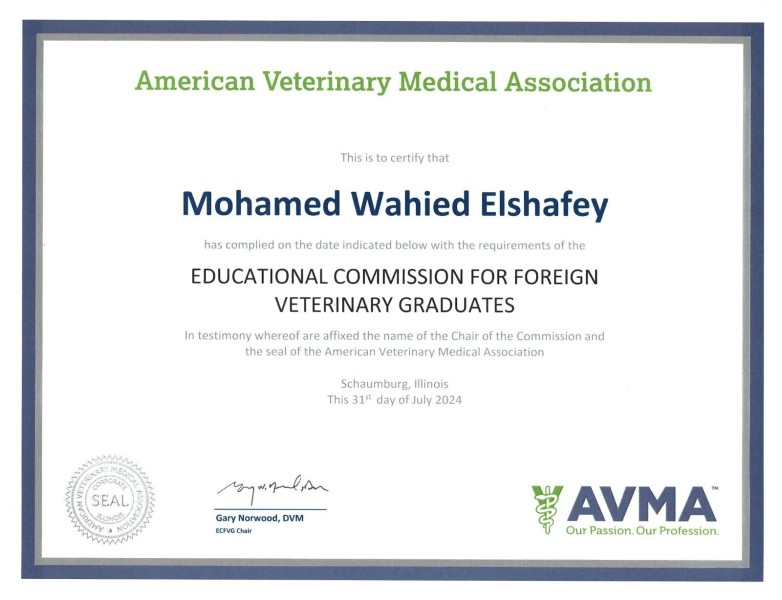
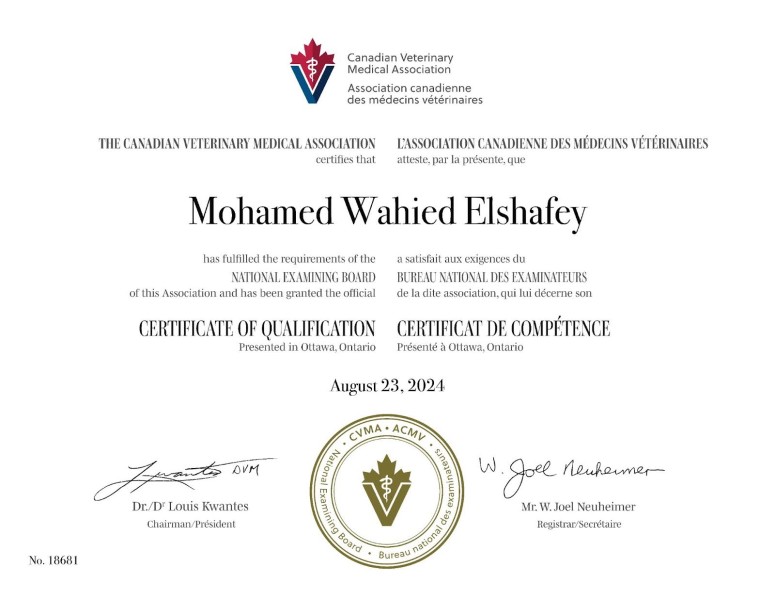
Proven Results, Real Success Stories
Frequently Asked Questions
More questions?
Email us at
inquiries@avecvets.com